
How Can Professional Golf Course Management Services Transform Your Facility's Operations and Member Experience?
Understanding the Comprehensive Scope of Modern Golf Course Management
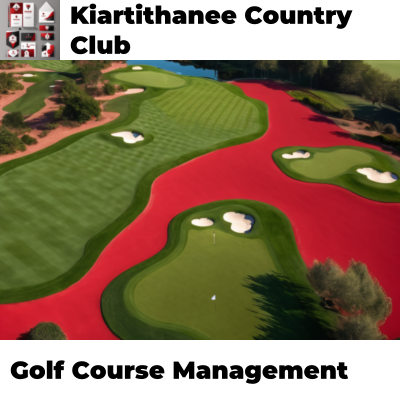
Golf course management encompasses far more than simply mowing grass and maintaining fairways. It represents a multifaceted operational discipline that integrates turf science, business administration, member relations, environmental stewardship, and strategic financial planning into a cohesive system designed to optimize every aspect of the facility. Kiartithanee Country Club recognizes this intricate reality and has developed sophisticated management protocols that address the evolving demands of contemporary golf operations.
The landscape of golf course management has transformed dramatically over the past two decades. Where once a course superintendent primarily focused on agronomic concerns, today's management professionals must navigate regulatory compliance, sustainability initiatives, technological integration, revenue optimization, and increasingly complex member expectations. This evolution reflects broader industry trends demonstrating that successful facilities require visionary leadership combining horticultural expertise with business acumen.
The Multi-Layered Complexity of Course Operations
At its core, golf course management involves orchestrating numerous interdependent systems that must function harmoniously. The turf management division oversees grass health, soil composition, irrigation systems, and pest management protocols. Simultaneously, the business operations division manages budgeting, staffing, scheduling, and member communications. Add to this the necessity of maintaining clubhouse facilities, managing food and beverage operations, overseeing maintenance equipment, and ensuring compliance with environmental regulations—and the scope becomes remarkably comprehensive.
Effective golf course management requires understanding that each operational element influences others. Poor turf management affects the member experience, which impacts retention rates and revenue. Inefficient staffing schedules increase operational costs while potentially compromising service quality. Inadequate equipment maintenance leads to emergency repairs that disrupt play schedules and damage the facility's reputation. This interconnected reality demands management expertise that transcends single-discipline specialization.
Why Choosing Professional Management Distinguishes Your Facility
Many facility owners and boards attempt to manage their courses independently, believing they can reduce costs by eliminating outside management services. This approach frequently backfires. Professional management companies like those operating through Kiartithanee Country Club bring institutional knowledge, established vendor relationships, proven operational systems, and access to specialized expertise that in-house staff alone cannot replicate. The investment in professional management typically yields returns that far exceed the service costs through improved operational efficiency, enhanced member satisfaction, and optimized financial performance.
Strategic Turf Management and Agronomic Excellence
Advanced Soil and Turf Analysis Programs
Professional golf course management begins with comprehensive understanding of soil composition, structure, and biological activity. Kiartithanee Country Club employs rigorous soil testing protocols conducted multiple times annually, measuring pH levels, nutrient concentrations, compaction rates, and microbial populations. This data-driven approach permits precise fertilization schedules, amendment applications, and cultivation strategies tailored to specific turf conditions rather than generic industry standards.
The distinction between reactive and proactive turf management fundamentally shapes course quality. Reactive management addresses problems after they manifest—brown patches appear, disease spreads, or playing conditions deteriorate before corrective action begins. Conversely, proactive management anticipates challenges through:
- Preventative disease management utilizing fungicide applications before pathogenic conditions develop
- Regular soil aerification reducing compaction and promoting root development
- Seasonal cultivation practices optimizing turf density and traffic tolerance
- Nutrient management programs calibrated to growth cycles and environmental conditions
- Irrigation scheduling based on soil moisture monitoring rather than arbitrary calendars
Irrigation System Optimization and Water Management
Modern golf courses consume substantial water resources, yet many facilities operate irrigation systems configured decades ago without optimization. Professional management services audit existing systems, identify inefficiencies, and implement technological upgrades reducing water consumption while improving turf health. Smart irrigation controllers now utilize weather stations, soil moisture sensors, and historical climate data to deliver precise watering schedules. This technology sophistication represents a significant departure from antiquated manual adjustment systems.
Water management extends beyond irrigation scheduling to encompass drainage infrastructure, runoff management, and environmental compliance. Kiartithanee Country Club maintains drainage systems ensuring proper water movement through soil profiles and across playing surfaces. Inadequate drainage creates waterlogged conditions harming root development and promoting disease. Conversely, excessive drainage can stress turf during dry periods. Professional management achieves this equilibrium through infrastructure maintenance and careful environmental monitoring.
Pest and Disease Management Strategies
Golf course turf faces constant threats from fungal diseases, insect infestations, and weed competition. Rather than applying treatments reactively after infestations establish, professional management implements integrated pest management protocols combining cultural practices, biological controls, and targeted chemical applications. This layered approach minimizes environmental impact while maintaining playing surface quality.
Fungal diseases common to golf course turf include:
- Dollar spot, characterized by small circular patches of dead grass
- Brown patch, which creates large irregular areas of turf decline during warm, humid conditions
- Anthracnose, particularly problematic in shaded areas with poor air circulation
- Red thread, identifiable by cottony red growth on leaf blades
- Pythium diseases, often catastrophic when conditions favor rapid development
Professional superintendents recognize early disease indicators invisible to untrained observers. They understand how specific environmental conditions favor particular pathogens and implement preventative measures before damage becomes visible. This expertise prevents catastrophic turf loss while minimizing fungicide applications.
Financial Management and Operational Budgeting
Comprehensive Cost Analysis and Budget Development
Golf course operations require substantial capital investment and ongoing operational expense. Professional management services develop detailed budgets accounting for labor costs, equipment maintenance and replacement, chemical and fertilizer applications, utility consumption, facility upgrades, and member services. This granular budgeting prevents financial surprises while identifying cost reduction opportunities without compromising quality.
Experienced management companies analyze operational expenses identifying inefficiencies. They negotiate vendor contracts leveraging purchasing power that individual facilities cannot access independently. They schedule maintenance strategically, grouping similar tasks to optimize labor utilization. They identify equipment replacement timing that minimizes emergency repairs while extending asset life. These financial management competencies directly impact facility profitability and sustainability.
Revenue Optimization Through Strategic Positioning
Professional management extends beyond cost control to encompassing revenue enhancement. Management services analyze membership structures, fee schedules, and pricing models relative to market conditions and facility capabilities. They identify underutilized amenities that could generate additional revenue through tournament hosting, corporate outings, or food and beverage enhancements. They develop membership retention strategies recognizing that retaining existing members costs substantially less than acquiring new ones.
Equipment Management and Maintenance Scheduling
Golf courses maintain extensive equipment fleets including riding mowers, rough mowers, topdressing spreaders, aerators, drainage maintenance equipment, and numerous hand tools. Professional management implements preventative maintenance schedules extending equipment lifespan while ensuring operational reliability. Properly maintained equipment performs more efficiently, consumes less fuel, and requires fewer emergency repairs disrupting operational schedules.
Equipment replacement decisions require strategic analysis balancing:
- Equipment age and accumulated repair costs
- Technological improvements offering operational advantages
- Capital availability and financing options
- Impact on maintenance labor requirements
- Environmental compliance and efficiency standards
Professional managers evaluate these factors systematically rather than making reactive replacement decisions after equipment failures.
Member Experience and Service Quality
Service Standard Development and Implementation
Superior golf course management recognizes that course quality, while essential, represents only one dimension of member satisfaction. Service quality encompasses friendly staff interactions, responsive communication, well-maintained facilities, prompt issue resolution, and consistent operational reliability. Professional management develops service standards specifying expected behaviors and response times for various member interactions.
Standards might include specifications such as:
- Golf shop staff greeting members within two minutes of arrival
- Maintenance requests addressed within twenty-four hours
- Clubhouse cleanliness and maintenance inspections occurring three times daily
- Food and beverage service maintaining specific quality and consistency metrics
- Course setup procedures ensuring consistent playing conditions
These standards become operational guidelines ensuring predictable, high-quality member experiences regardless of which staff members provide service on any particular day.
Communication Systems and Member Engagement
Professional management implements communication systems keeping members informed about course conditions, scheduled maintenance projects, facility improvements, and operational changes. Modern facilities utilize mobile applications, email newsletters, and website updates providing real-time information about course status, weather impacts, and special events. Transparent communication builds member confidence and reduces frustration when anticipated disruptions occur.
Member feedback mechanisms represent another critical component. Professional management establishes regular forums for member input—committees, surveys, focus groups—gathering perspectives that inform operational decisions. Members who perceive their voices influence facility operations develop stronger emotional connections and higher retention rates.
Environmental Stewardship and Sustainability Practices
Regulatory Compliance and Certification Programs
Golf courses operate within increasingly stringent environmental regulations addressing pesticide applications, fertilizer runoff, wetland protection, and wildlife habitat preservation. Professional management services ensure facilities maintain full compliance with federal, state, and local environmental regulations. They maintain documentation demonstrating compliance and participate in periodic audits verifying adherence to regulatory requirements.
Beyond minimum compliance, many facilities pursue environmental certifications demonstrating commitment to sustainability. Audubon International's
Golf Environment Organization certification represents one such program evaluating facilities across multiple environmental dimensions and establishing management practices promoting ecological stewardship.
Sustainable Turf Management Practices
Sustainable golf course management reduces chemical inputs while maintaining playing surface quality through integrated approaches emphasizing cultural practices. This philosophy recognizes that healthy soil biology, appropriate grass species selection, and proper maintenance techniques minimize disease and pest pressures requiring chemical intervention.
Sustainable practices include:
- Selection of turfgrass varieties suited to local climate conditions and soil types
- Compost and organic amendment applications building soil organic matter
- Reduced nitrogen fertilization utilizing slow-release formulations
- Elimination or significant reduction of pesticide applications
- Native plant landscaping in rough and non-playing areas
- Pollinator habitat creation supporting beneficial insect populations
- Water conservation through efficient irrigation and drought-resistant grass selection
These practices often require initial investment in soil improvement and turf renovation but yield long-term benefits including reduced chemical costs, improved environmental performance, and enhanced member perception of facility values.
Wildlife Habitat and Biodiversity Enhancement
Professional management recognizes that golf courses occupy substantial land areas possessing significant potential for environmental contribution. Rather than viewing non-playing areas as aesthetic backdrops, progressive management develops these spaces as wildlife habitat supporting native plant and animal species. Designated wetland areas, native grass meadows, and deciduous tree groves create ecological corridors enhancing regional biodiversity while providing landscape aesthetic value.
This habitat philosophy transforms course design from purely utilitarian playing surface creation to integrated landscape stewardship. Members increasingly appreciate facilities demonstrating environmental commitment, and habitat enhancement attracts wildlife observation enthusiasts who view course visitation as ecologically beneficial rather than environmentally destructive.
Technology Integration and Data-Driven Decision Making
Precision Turf Management Technologies
Contemporary golf course management leverages sophisticated technologies generating detailed operational data enabling informed decision-making. Soil moisture sensors placed throughout the course transmit real-time data about moisture conditions at various soil depths and locations. GPS-enabled equipment tracks maintenance activities, application rates, and equipment usage patterns. Weather stations collect temperature, humidity, rainfall, and wind data informing irrigation schedules and disease management decisions.
These technologies generate data streams that professional management interprets through the lens of horticultural science and operational experience. Rather than simply applying preset irrigation schedules, managers analyze actual soil conditions and weather forecasts adjusting irrigation timing and duration to optimize water use efficiency. Rather than applying fungicides on fixed schedules, they monitor disease pressure indicators adjusting treatment timing to critical susceptibility periods.
Management Information Systems and Reporting
Professional golf course management implements comprehensive management information systems integrating data from multiple operational sources—turf sensors, maintenance records, member communications, financial transactions, and equipment performance metrics. These integrated systems generate reports revealing operational patterns and performance trends invisible within individual data silos.
A facility might discover, for example, that particular turf diseases consistently emerge following specific weather patterns, or that maintenance labor productivity varies significantly between different staff members performing identical tasks, or that food and beverage revenue correlates with tournament scheduling and member visit frequency. Such insights enable targeted interventions addressing root causes rather than symptoms.
Member Communication and Technology Platforms
Modern facilities implement mobile applications and digital platforms enhancing member engagement and streamlining operational communication. Members access real-time course status updates, book tee times, view handicap information, reserve dining facilities, and communicate maintenance requests through integrated platforms. These technologies improve member convenience while generating operational data informing facility management decisions.
Staff Development and Human Resources Management
Training and Professional Development Programs
Golf course operations depend fundamentally upon staff competence and commitment. Professional management services establish comprehensive training programs ensuring staff members possess skills necessary for effective performance. Groundskeeping staff receive training in equipment operation, safety protocols, turf management principles, and customer service standards. Clubhouse and food service staff develop hospitality skills creating positive member experiences. Administrative staff learn systems and procedures ensuring operational consistency and accuracy.
Beyond initial training, professional management invests in ongoing professional development. Turf managers attend industry conferences learning emerging management practices and technologies. Staff members pursue industry certifications demonstrating competence and commitment to professional standards. This investment in human capital yields returns through improved performance, reduced turnover, and enhanced member satisfaction.
Staff Retention and Workplace Culture
Golf course operations suffer significantly from staff turnover as employees transition to alternative employment. Professional management recognizes that retaining experienced staff members costs substantially less than recruiting and training replacements. Management develops competitive compensation packages reflecting skill levels and market conditions. They create workplace cultures emphasizing respect, opportunity, and shared commitment to facility excellence.
Regular staff communication ensures employees understand operational objectives and their individual contributions to facility success. Recognition programs acknowledge outstanding performance and tenure. Career development pathways provide advancement opportunities for motivated staff members. These human resources practices create stability and consistency that directly impact member experience quality.
Tournament Operations and Event Management
Planning and Logistics for Tournament Success
Golf tournaments—whether member competitions, charity events, or corporate outings—generate significant revenue while providing members distinctive experiences distinguishing the facility from competitors. However, tournaments require meticulous planning coordinating course preparation, staffing deployment, member communication, and logistical support. Professional management brings systematic tournament management experience ensuring events execute flawlessly.
Tournament preparation encompasses:
- Course setup configured for appropriate difficulty balancing challenge with playability
- Staff scheduling positioning personnel at critical locations throughout the tournament day
- Beverage and food service coordination ensuring adequate refreshment stations
- Member communication clarifying tournament formats, participation logistics, and results dissemination
- Equipment preparation including scoring systems, signage, and starting equipment
- Post-tournament celebration and awards ceremonies creating memorable experiences
This systematic approach transforms tournaments from chaotic events into polished experiences reflecting positively on facility quality.
Event Revenue Generation and Marketing
Professional management identifies tournament opportunities aligned with facility capabilities and market demand. Corporate outings provide substantial revenue while introducing potential new members to the facility. Charity tournaments attract participants motivated by philanthropic objectives while generating positive community relations. Member tournaments create competitive engagement fostering community cohesion and member loyalty.
Marketing these events effectively reaches appropriate audiences through targeted communications. Professional management develops promotional strategies highlighting distinctive facility features and tournament value propositions. They establish pricing structures balancing revenue objectives with market competitiveness and demand generation.
Food and Beverage Operations Excellence
Culinary Program Development and Menu Strategy
The food and beverage operation significantly influences member satisfaction and generates meaningful facility revenue. Professional management develops culinary programs reflecting member preferences while maintaining operational efficiency and profitability. Menu design balances member desires with ingredient cost management and kitchen capacity. Seasonal menu adjustments capitalize on ingredient availability and member interest variations.
Strategic menu decisions consider:
- Member demographic preferences and dietary requirements
- Seasonal ingredient availability and cost implications
- Kitchen equipment capabilities and staffing expertise
- Food waste minimization and inventory management
- Pricing strategies balancing revenue objectives with member satisfaction
- Beverage program profitability and alcohol service compliance
Professional management ensures food and beverage operations maintain quality standards creating positive dining experiences encouraging member utilization and repeat visitation.
Beverage Service and Bar Operations
The bar and beverage service represents particularly important facility component providing social gathering space and significant revenue contribution. Professional management establishes beverage programs including wine selections, craft cocktail development, and beer curation appealing to member preferences. Staff training ensures knowledgeable service and responsible alcohol service maintaining legal compliance and member safety.
Beverage service extends beyond alcoholic drinks to encompassing coffee service, specialty beverages, and non-alcoholic refreshments supporting member comfort throughout operational hours.
Facility Maintenance and Infrastructure Management
Clubhouse and Amenity Maintenance Standards
Beyond the golf course itself, professional management maintains clubhouse facilities, locker rooms, dining areas, and member amenities creating welcoming environments encouraging member engagement. Systematic maintenance schedules ensure regular cleaning, equipment servicing, and facility inspections preventing deterioration and maintaining member satisfaction.
Maintenance protocols address:
- Daily cleaning and sanitation of member-facing spaces
- Regular equipment servicing for HVAC, plumbing, and electrical systems
- Seasonal deep cleaning and specialized maintenance
- Member amenity replenishment and service quality
- Safety inspections identifying potential hazards
Capital Improvement Planning and Asset Management
Golf facilities represent substantial capital investments requiring ongoing reinvestment maintaining contemporary quality standards. Professional management develops multi-year capital improvement plans prioritizing facility enhancements based on member feedback, competitive analysis, and facility condition assessments. Systematic planning distributes capital expenditures across multiple years preventing budgetary crises while ensuring consistent facility modernization.
Capital projects might include golf course renovations, clubhouse upgrades, technology infrastructure enhancements, or facility equipment replacement. Professional management evaluates projects considering impact on member experience, operational efficiency, revenue generation, and strategic facility positioning.
Risk Management and Insurance Compliance
Liability Protection and Safety Protocols
Golf course operations present inherent safety risks requiring systematic risk management. Professional management implements safety protocols minimizing member and staff injury risks. Course maintenance operations involve equipment hazards requiring proper training and protective equipment. Golf itself presents injury risks from errant shots or course conditions. Food service operations require proper sanitation preventing foodborne illness.